If you’ve found this page, chances are you’re dreaming of walking the Nakasendo — the old samurai road (※1).
In this blog, we’ll share the charms of Nakatsugawa: views you won’t find on the usual tourist pages, little tips, and everything that makes your journey comfortable and fun. For our very first post, let’s talk about the town of Nakatsugawa itself.
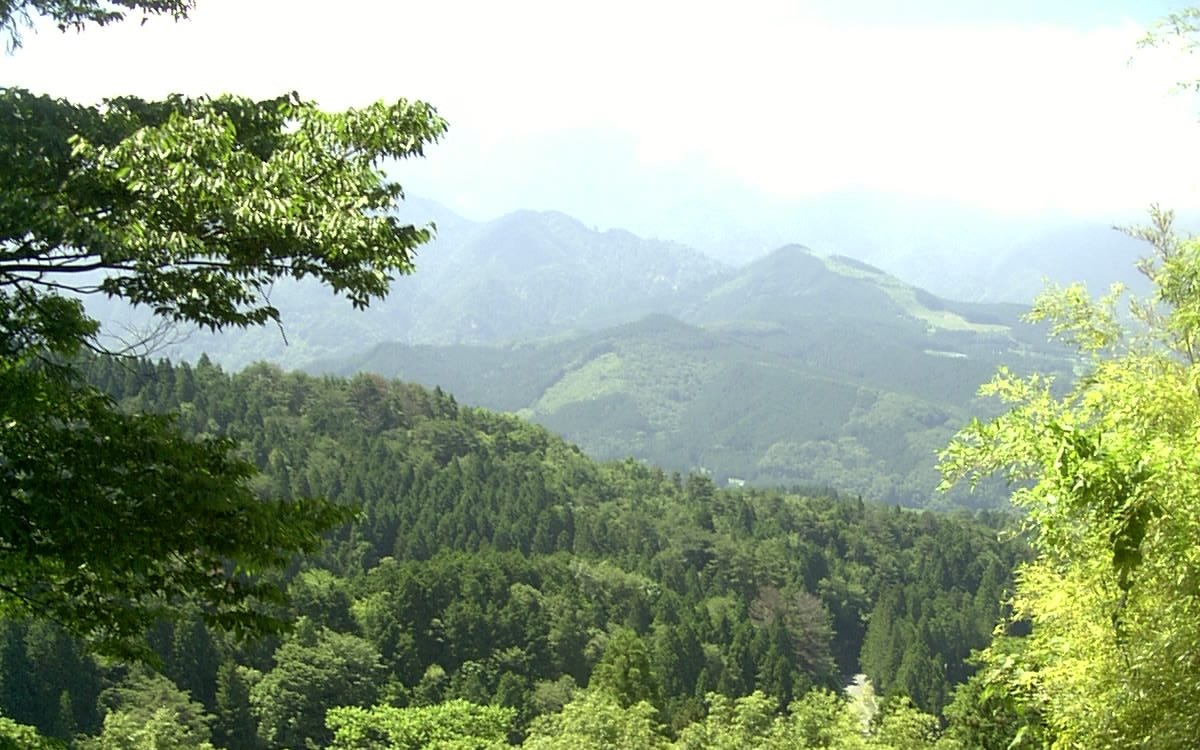
Nakatsugawa sits at the southern foot of the Central Alps, in the Chubu region of Japan. It’s a charming town where magnificent mountain scenery, history, and traditional Japanese sweets come together in perfect harmony.
But you may know that much already — plenty of websites will tell you the same.
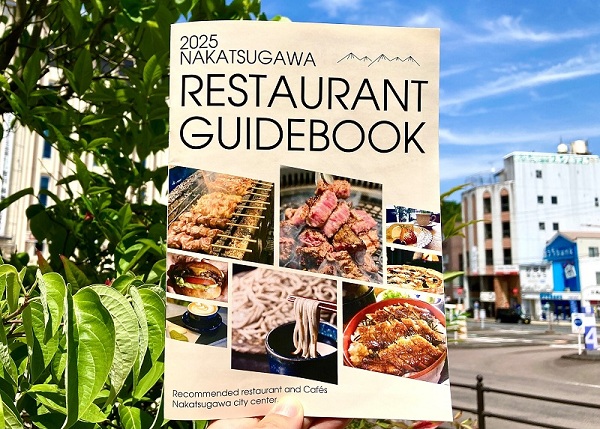
So from here, let’s look at the fun little discoveries you’ll actually run into the moment you step off the train in Nakatsugawa.
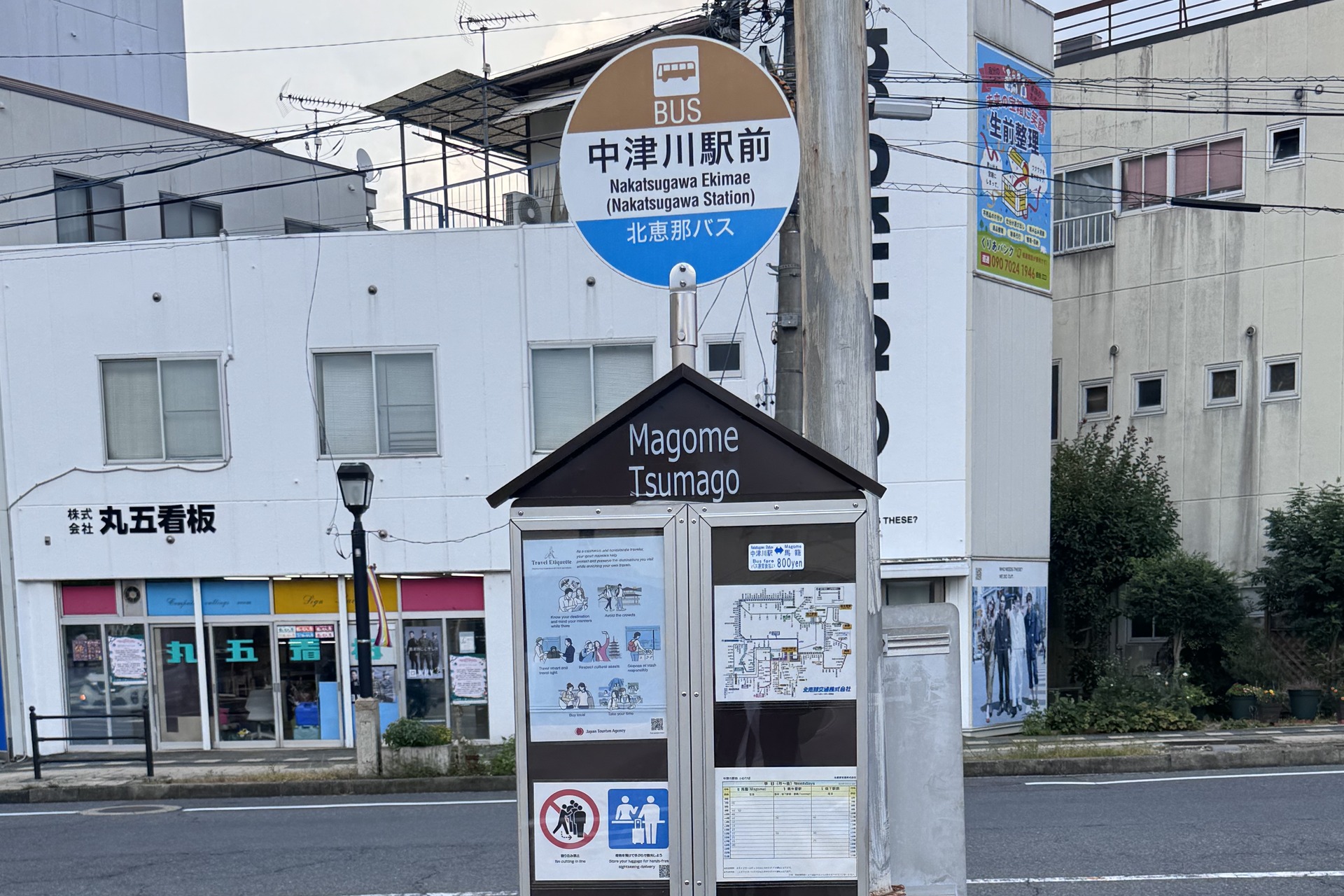
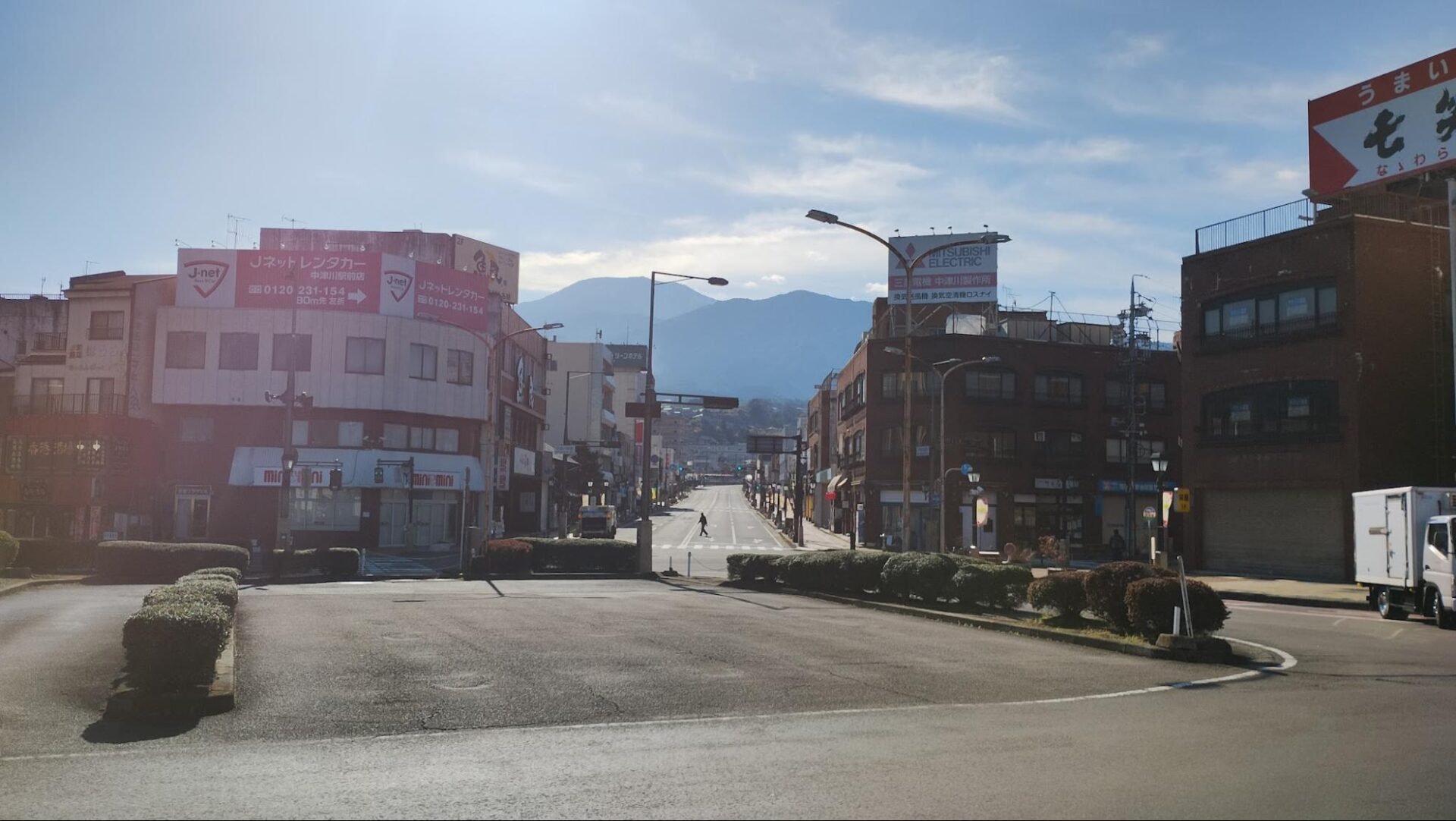
First, Nakatsugawa Station.
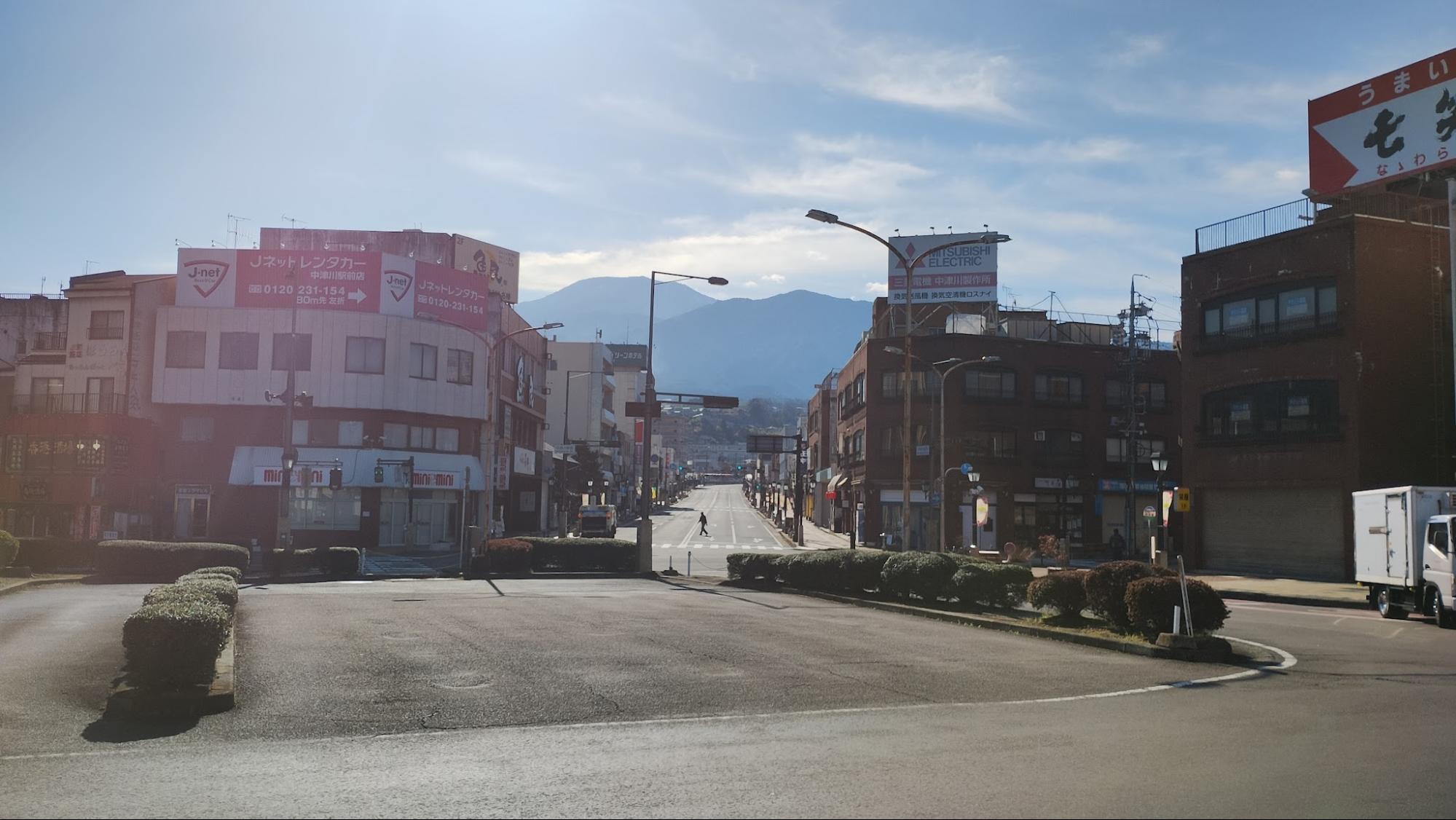
Step out of the station and look straight ahead: you’ll see two mountains, Maeyama and Mt. Ena.
Maeyama stands in front, and rising behind it is Mt. Ena, 2,191 meters tall.
You can see it clearly from Magome as well — it’s truly the symbol of a journey along the Kiso Road (※2).
While you’re in Nakatsugawa, this mountain will quietly watch over your travels the whole way.
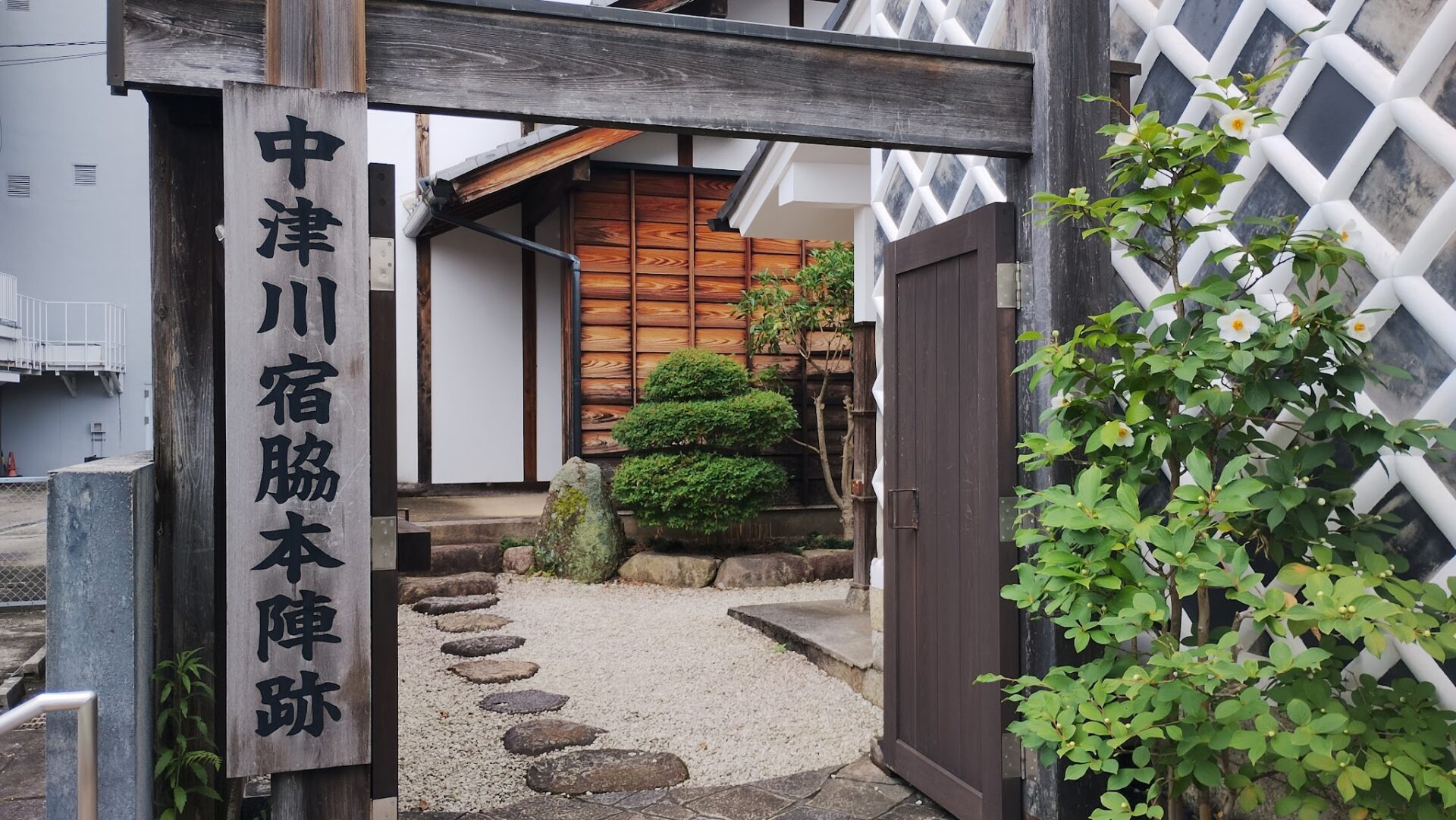
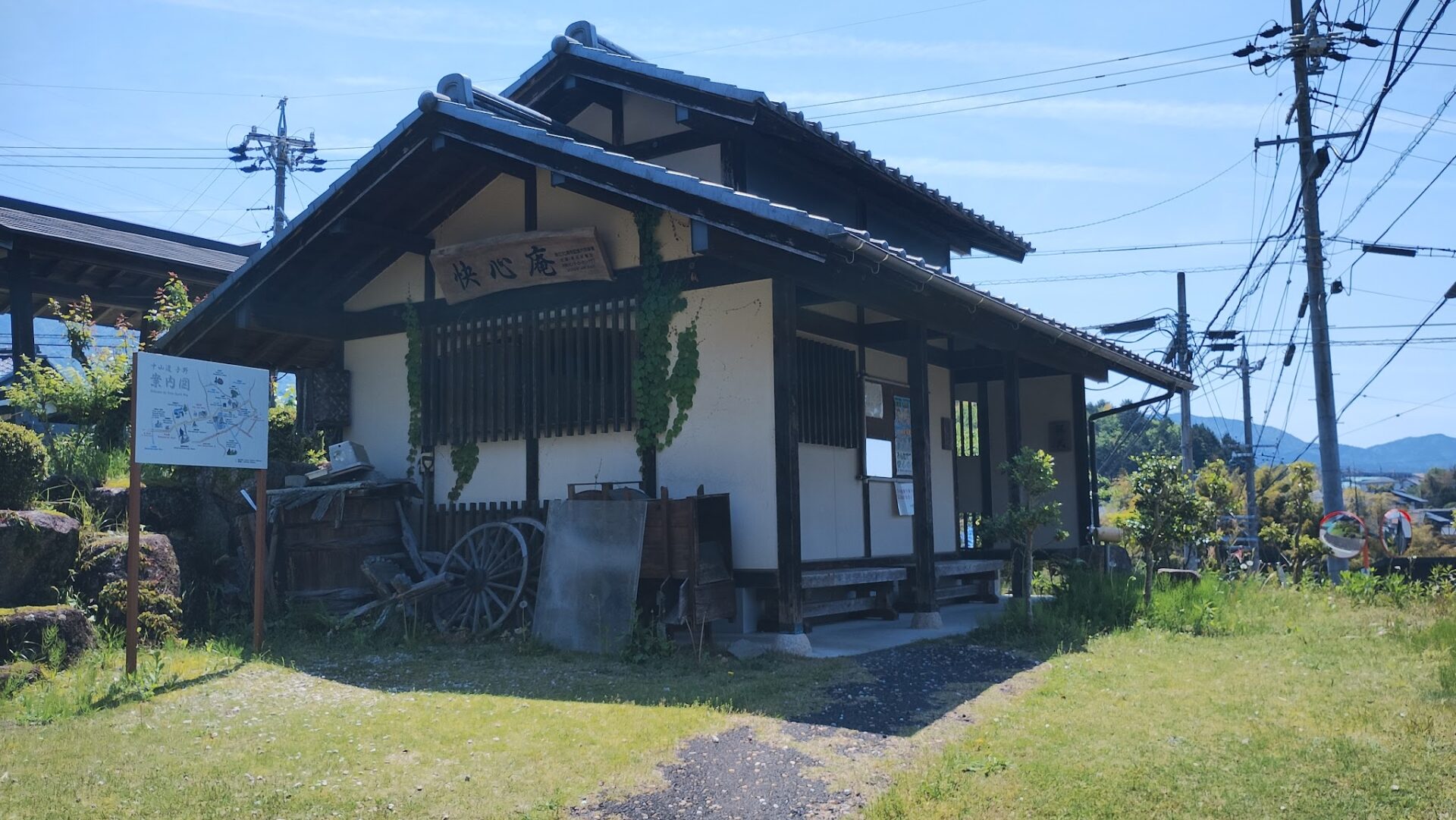
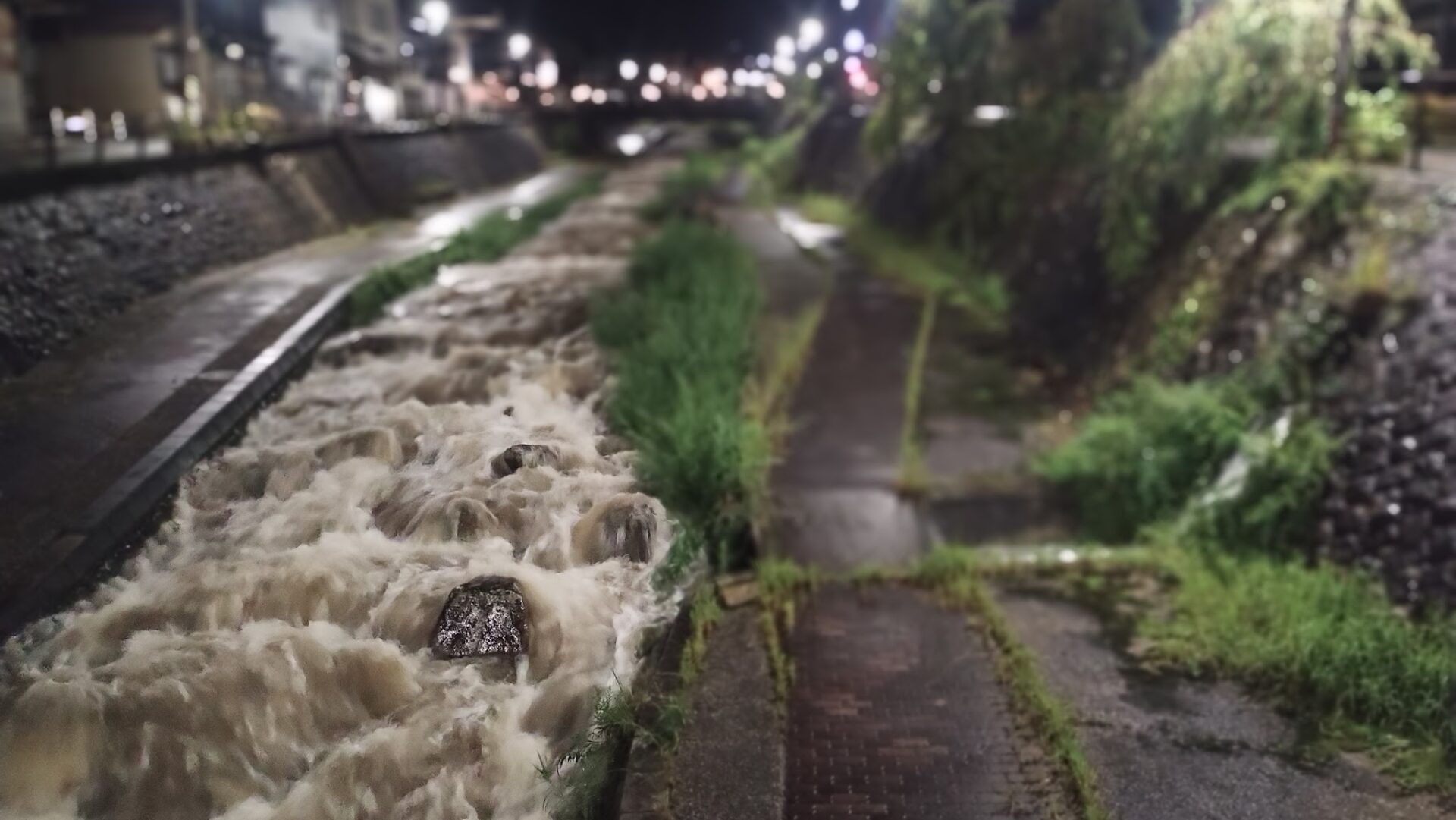
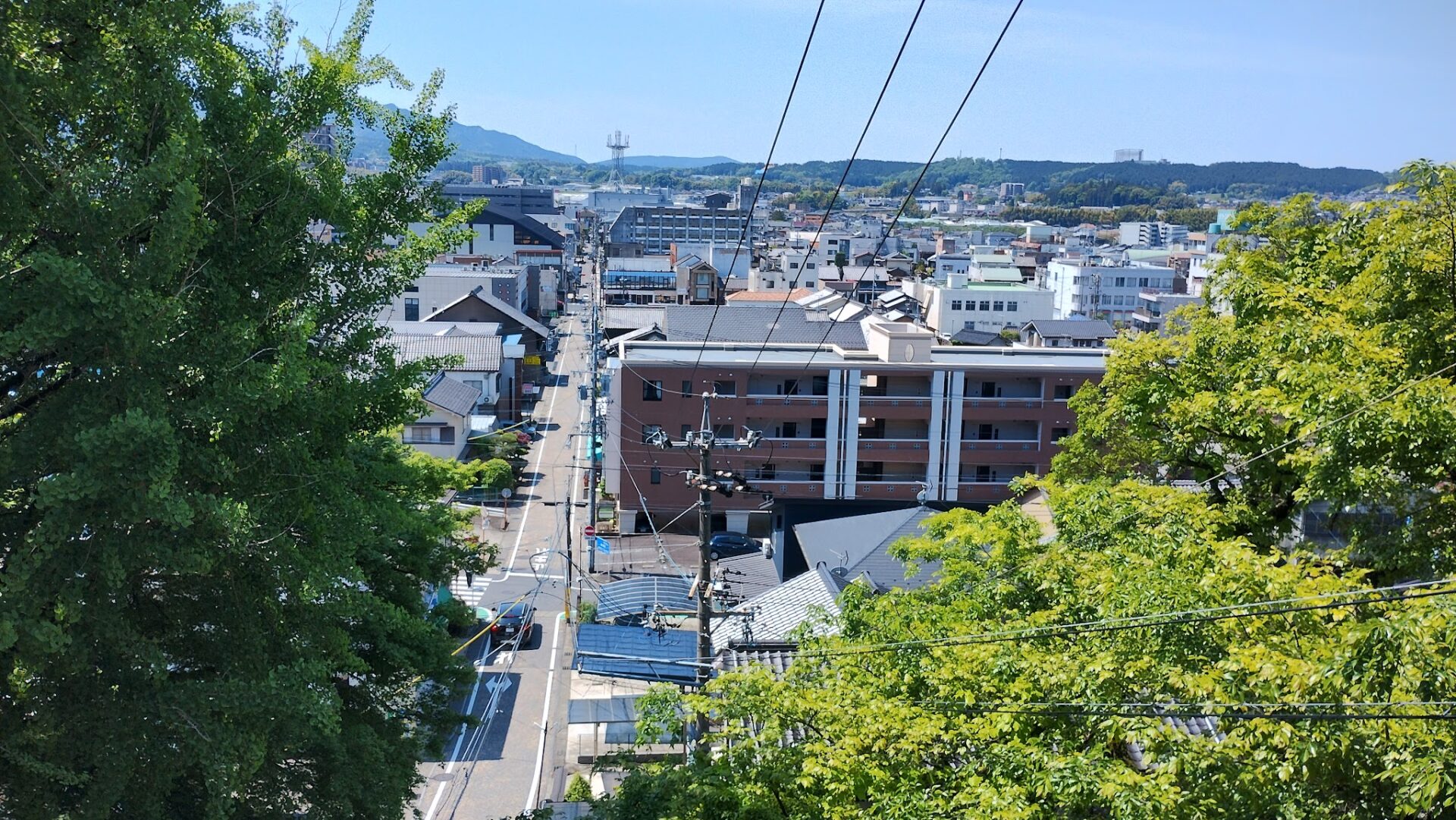
Nakatsugawa still retains the charming scenery of old Japan.
Before you head on to Magome and Tsumago, take a little time here — you’ll find scenes of deep-countryside Japan.
Around The RYOKAN O (※3), you’re sure to find plenty of little things that catch your eye!
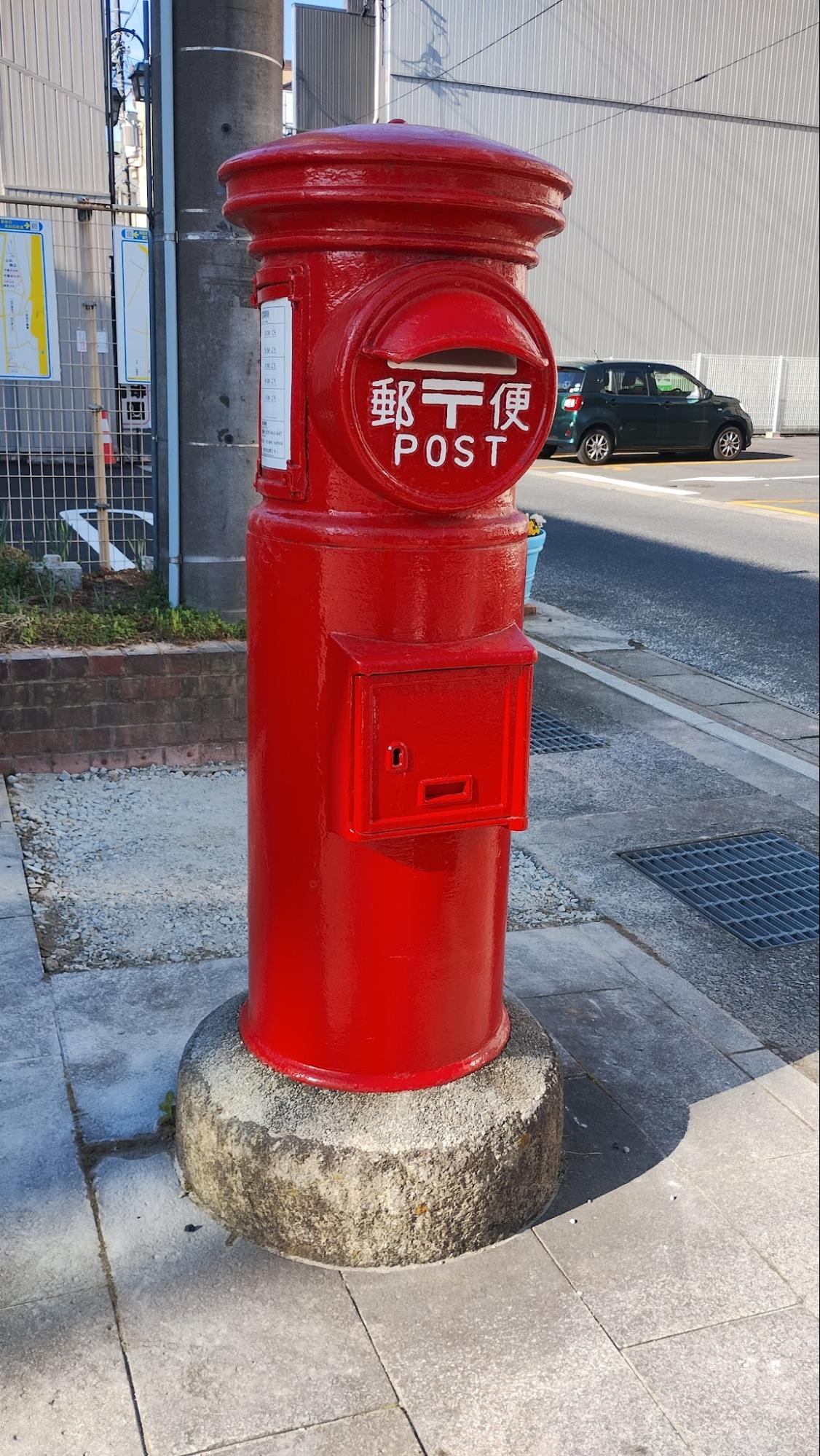
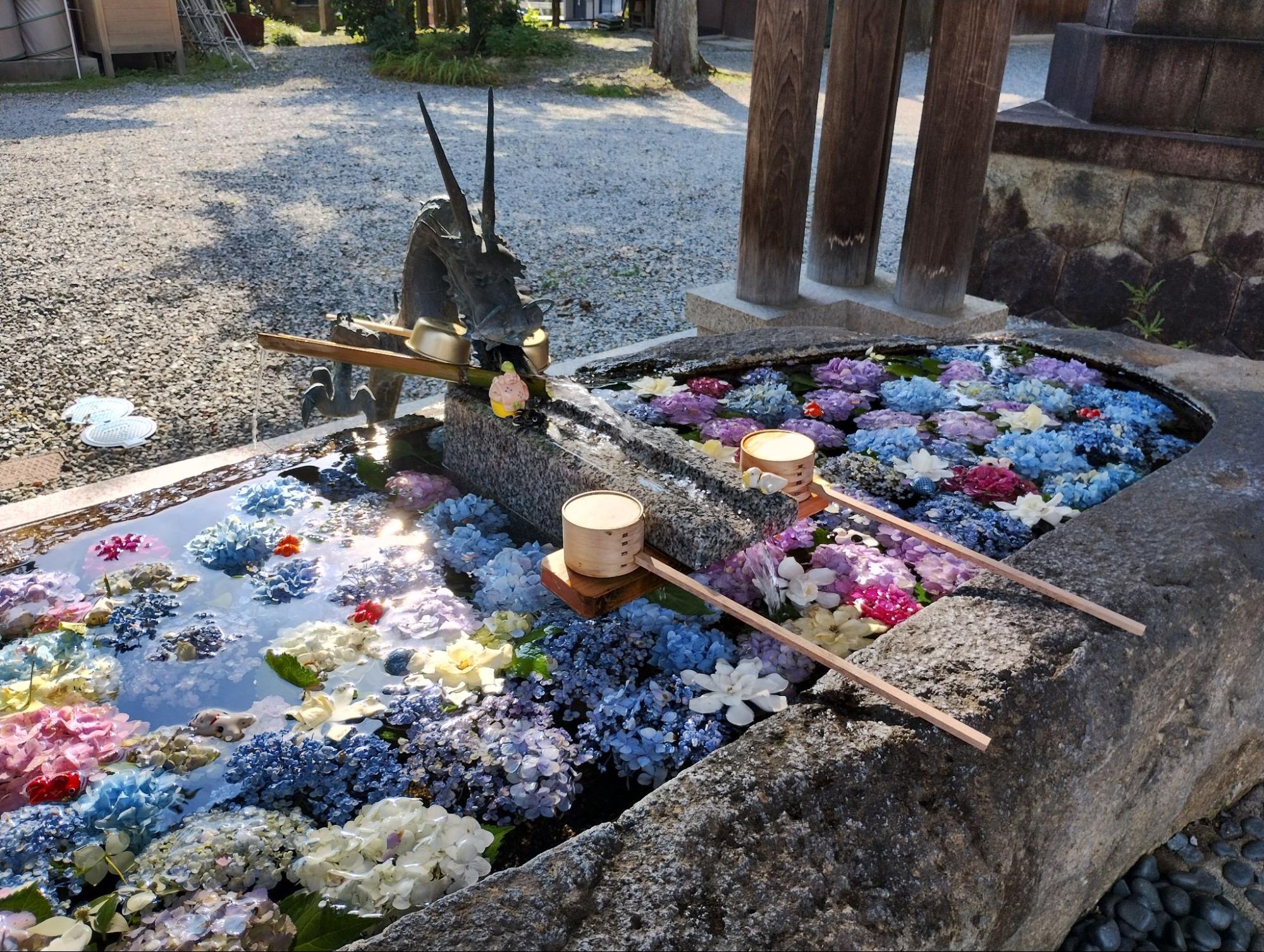
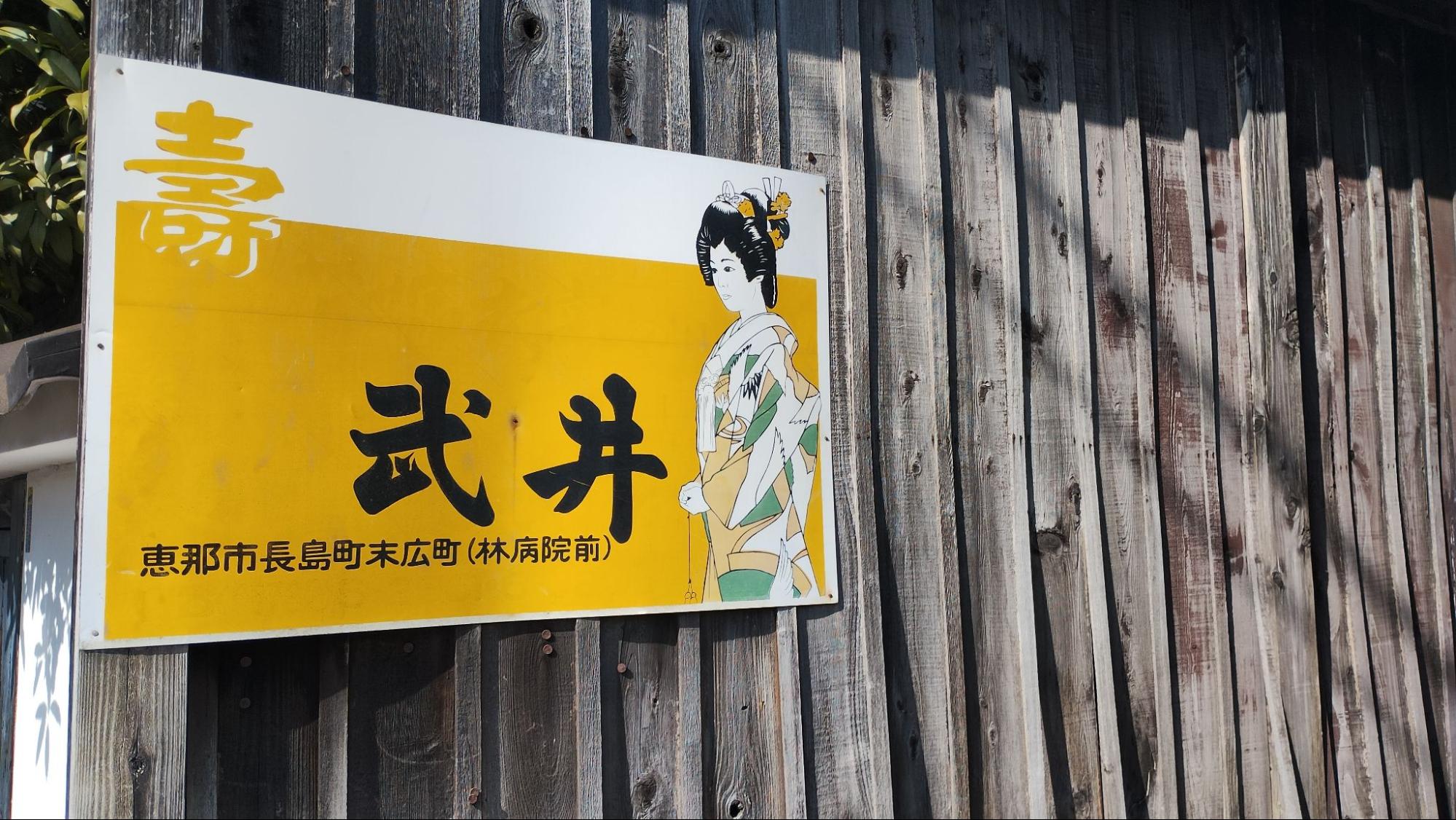
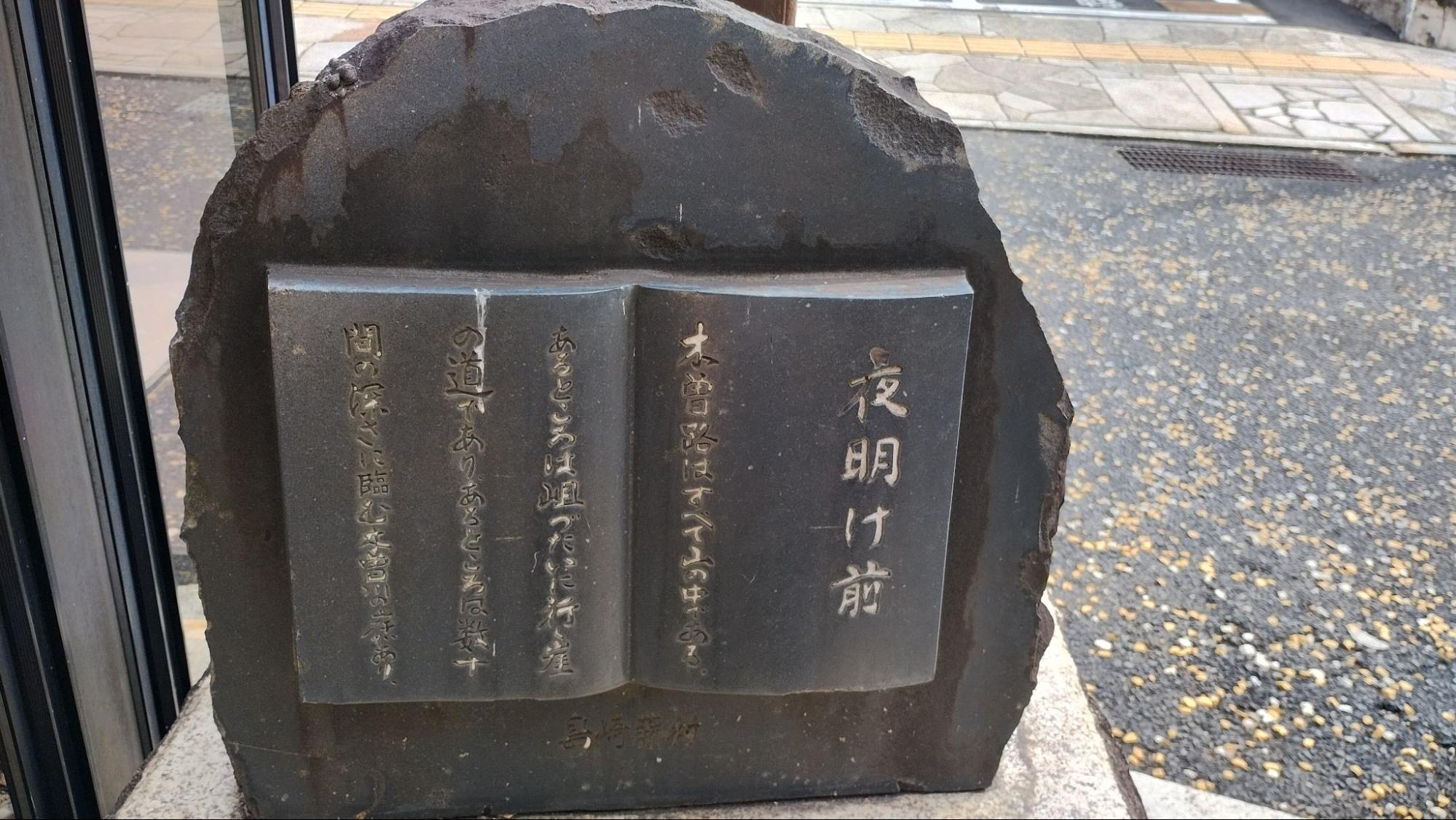
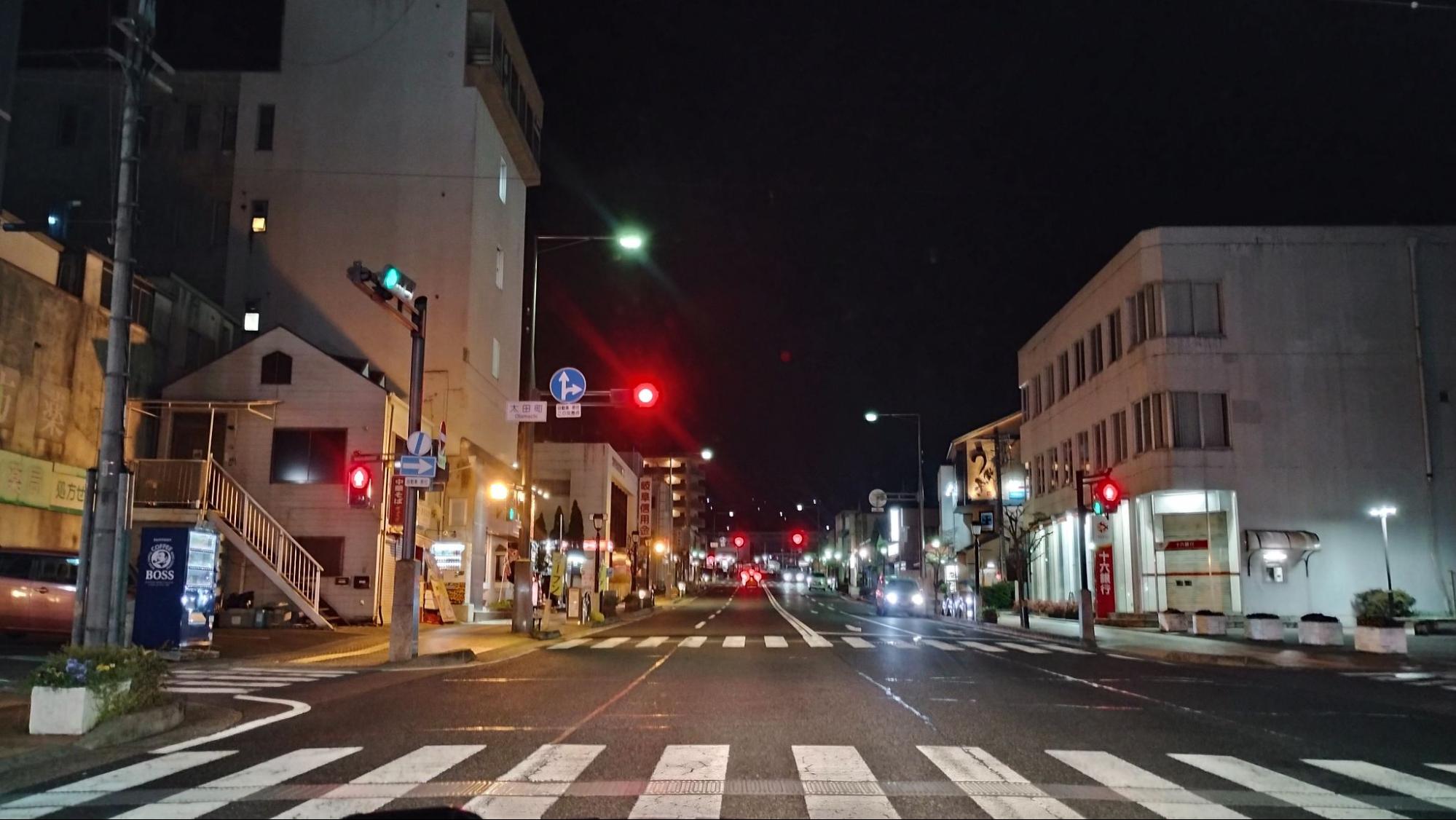
In the Edo period, Nakatsugawa flourished as a post town (※8) on the Nakasendo. As Japan modernized, it grew into a town of railways and industry.
The old Nakasendo remained in use as an everyday local road, but for a while it was seen as little more than a relic of the past.
That is, until travelers like you began to come from overseas.
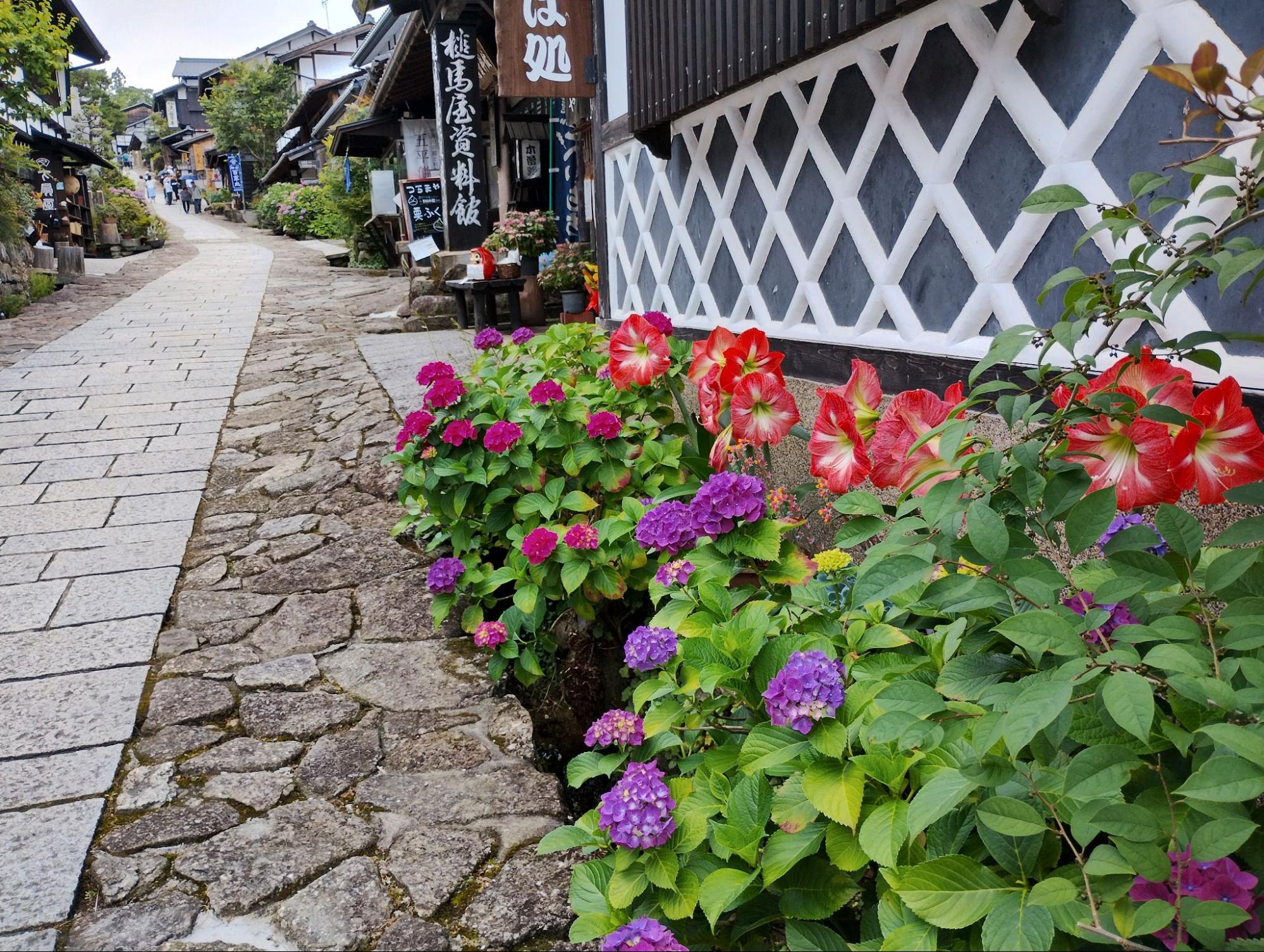
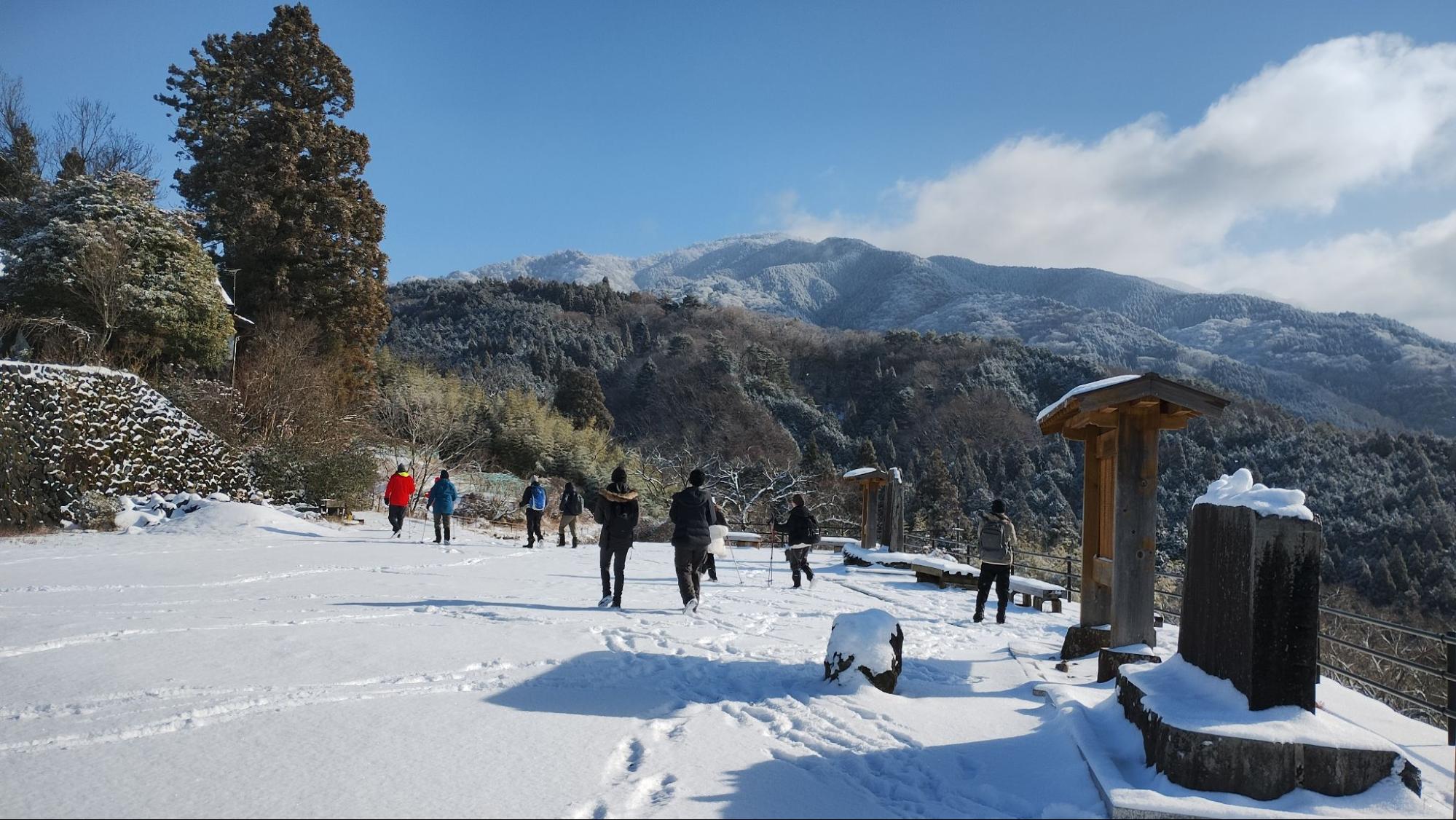
Most visitors to Nakatsugawa are looking forward to the journey on to Magome and Tsumago.
And the base camp for that journey is Nakatsugawa itself. This is a town where you can walk the samurai road of the Edo period — and feel the layers of many other eras as well.
Here you can enjoy the Japanese countryside you may have seen in manga and anime. It’s not a theme-park recreation — it’s a landscape that has simply, naturally remained.
And the best part? You can enjoy it all on a short stroll, before you even set out for Magome and Tsumago.
We hope you’ll find your own favorite places and experiences on this journey!
Written by Nakatsugawa Yuruyuru News
Notes
※1 The Nakasendo: one of the five official highways of the Edo period (1603–1868), running about 530 km (330 miles) between Edo (present-day Tokyo) and Kyoto through the inland mountains, with 69 post towns along the way. Feudal lords, samurai, and merchants all traveled this road — hence its nickname, the “samurai road.” (Sources: Ministry of Land, Infrastructure, Transport and Tourism; Nakasendo Rokujukyu-tsugi)
※2 The Kiso Road (Kisoji): the mountain section of the Nakasendo that runs through the Kiso Valley. Nakatsugawa is its southern gateway.
※3 A ryokan is a traditional Japanese inn, usually with tatami-mat rooms and futon bedding. The RYOKAN O is our inn here in Nakatsugawa.
※4 This cylindrical red post box (officially “Postal Box No. 1, round type”) first appeared in 1949 and was Japan’s standard mailbox until 1970. Roughly 5,000 of them still stand across Japan today — retro icons often featured in films and anime. They’re still in service, so you can actually send a letter from one. (Source: Postal Museum Japan)
※5 Nishinomiya shrines across Japan enshrine Ebisu, the smiling god of prosperous business and good fortune — one of Japan’s Seven Lucky Gods. Nakatsugawa’s Nishinomiya Shrine was founded in 1888 by local merchants as a branch of the head Ebisu shrine in Hyogo, and its Toka-Ebisu festival every January 10th fills the town with visitors. (Sources: Nakatsugawa Tourism Association; Nishinomiya Shrine head shrine website)
※6 Toson Shimazaki (1872–1943) is one of Japan’s great modern novelists, born in Magome — now part of Nakatsugawa City. His epic historical novel “Before the Dawn” (Yoake-mae, serialized from 1929) is set along the Kiso Road at the end of the samurai era, and its opening line is one of the most famous in Japanese literature. (Sources: Nakatsugawa City; Gifu Prefectural Library)
※7 An izakaya is a casual Japanese pub where you order small dishes to share along with drinks — a relaxed way to try many local foods in one evening.
※8 A post town (shukuba) was a rest station established along the Edo-period highways, offering inns and teahouses to travelers. Magome and Tsumago are two of the best-preserved post towns in Japan.