Written by Nakatsugawa Yuruyuru News
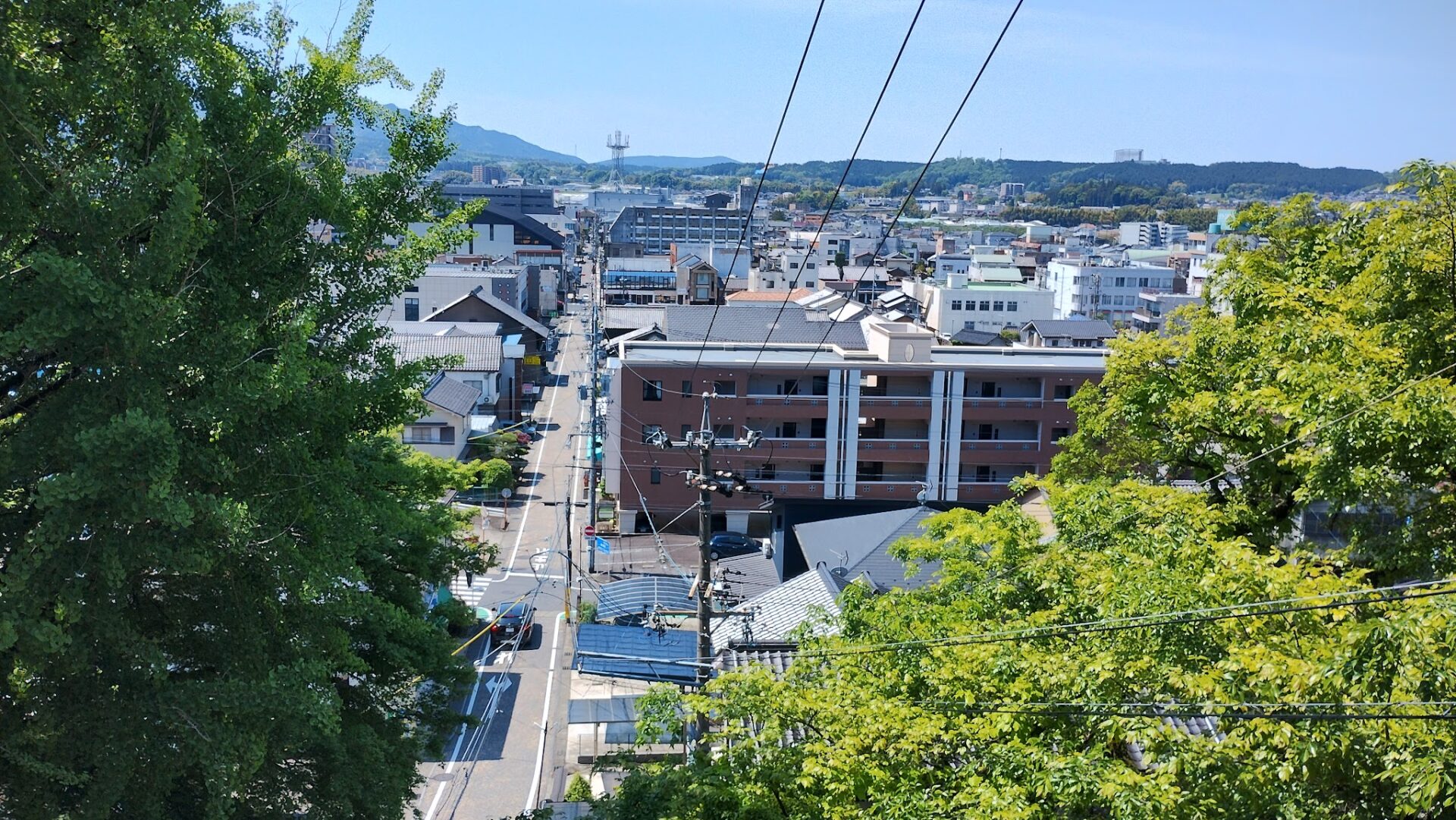
Around Honmachi and other parts of Nakatsugawa-juku, traces of the old townscape still remain. They may be small, quiet places, but each one offers a surprisingly deep glimpse into the town’s history.
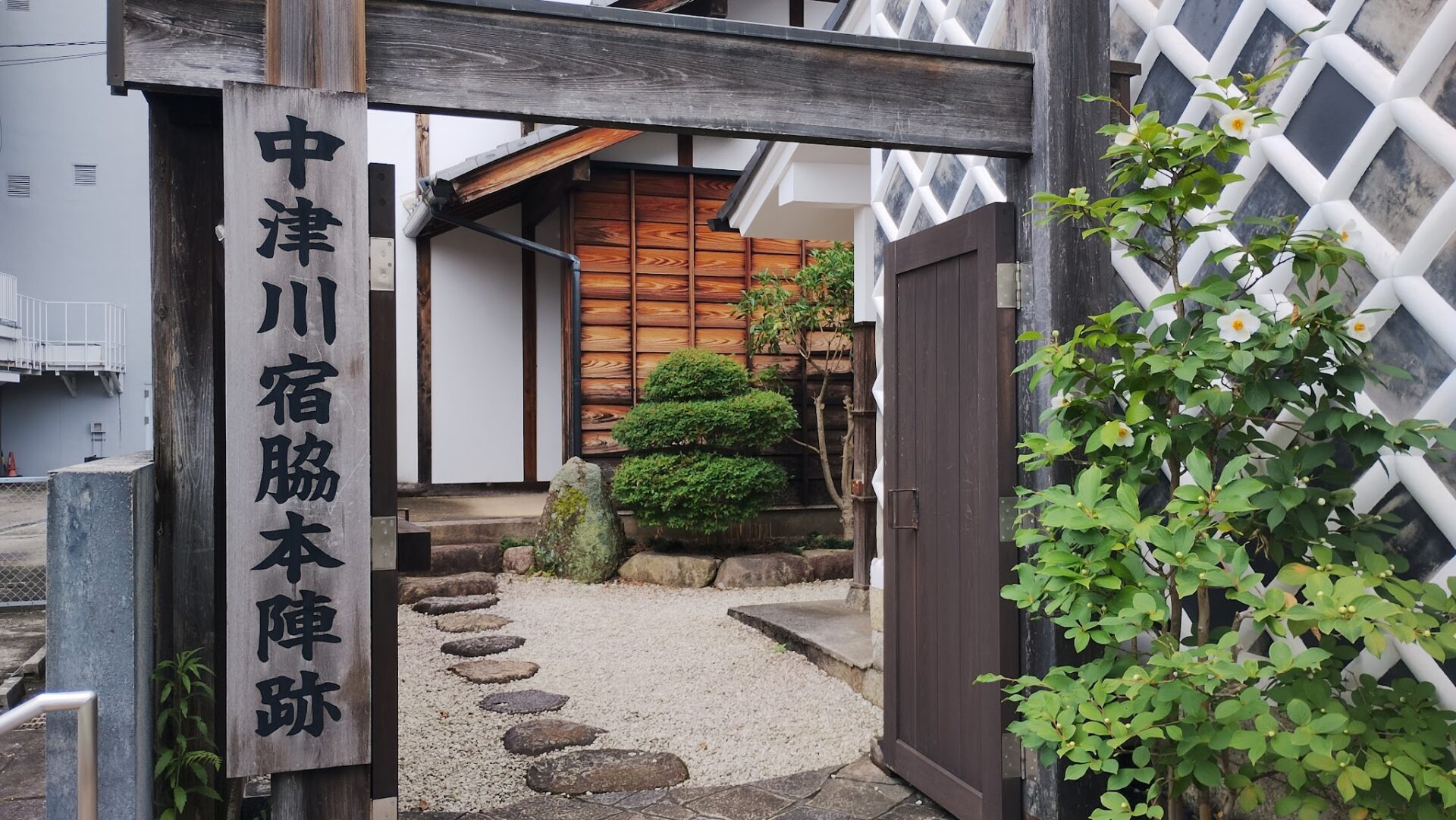
This time, we are visiting the former Nakatsugawa-juku Wakihonjin, about a 10-minute walk from The RYOKAN O.
Although it is described as a historic “site,” you can still step inside and explore it!
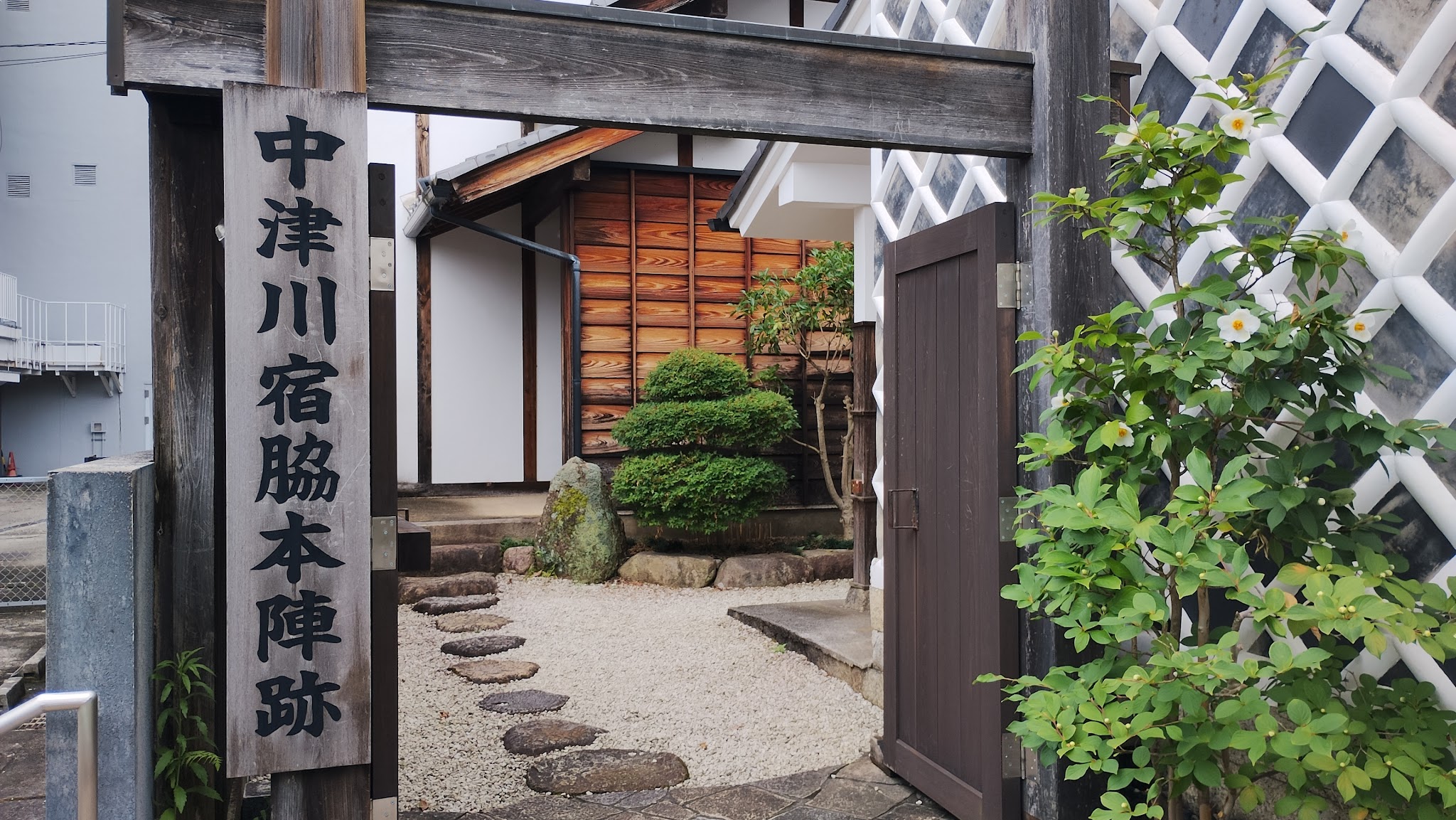
What Was a Wakihonjin?
During the Edo period, daimyo and other high-ranking travellers used official lodgings called honjin while travelling along routes such as the Nakasendo.
A wakihonjin was an auxiliary lodging that supported the honjin. It was used when a large party could not fit inside the main honjin, or when the parties of two daimyo arrived at the same post town at the same time.
Nakatsugawa-juku’s original wakihonjin once stood on part of the site now occupied by the Nakatsugawa Nakasendo History Museum. In 2008, the Mori family—who had served as the wakihonjin and managed transport duties in the post town—donated the land and buildings to Nakatsugawa City. The present exhibition facility was then prepared for visitors.
Here, you can sit in what feels like the lord’s seat and take in the view from the most prestigious part of the room.
And best of all? Admission is free!
Let’s step inside.
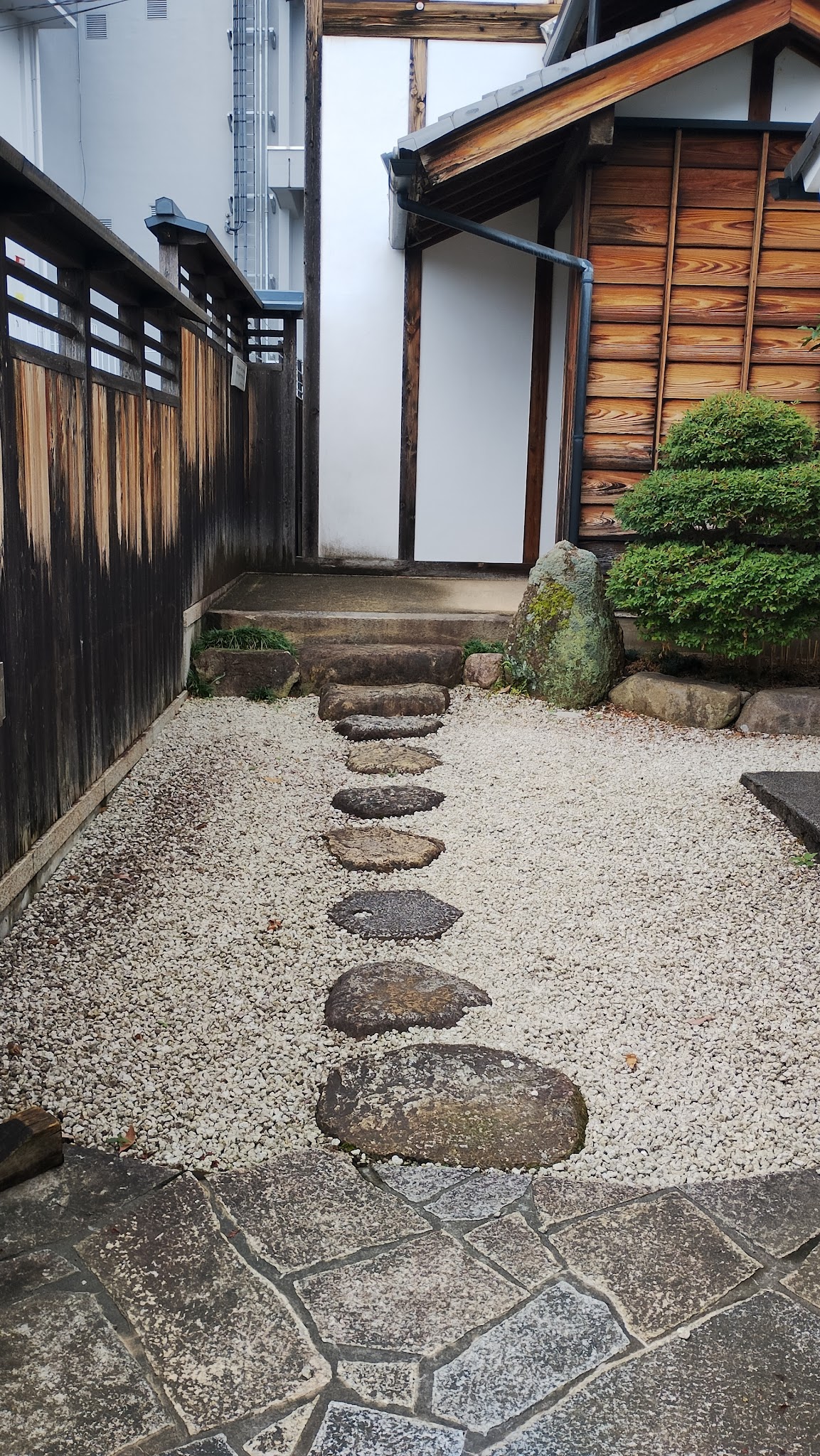
Step Across the Stones and Travel Back to the Edo Period
Nakatsugawa-juku was the 45th post town on the Nakasendo. At the former wakihonjin, part of the old Mori family residence—including the jodan-no-ma, or raised-status room, and one storehouse—is open to the public, offering a glimpse of how the post town once functioned.
According to the Mori family’s old records, the family moved from Iwamura in Ena District to Nakatsugawa-juku around 1684. From around 1803, generations of the family served as the wakihonjin and tonya (post-town transport officials), helping manage transport and other duties in the post town while supporting the Ichioka family, who ran the honjin.
The site also witnessed events in the Meiji period. Emperor Meiji rested here in 1880, and in 1882 it was used as a venue for a speech by Itagaki Taisuke and others.
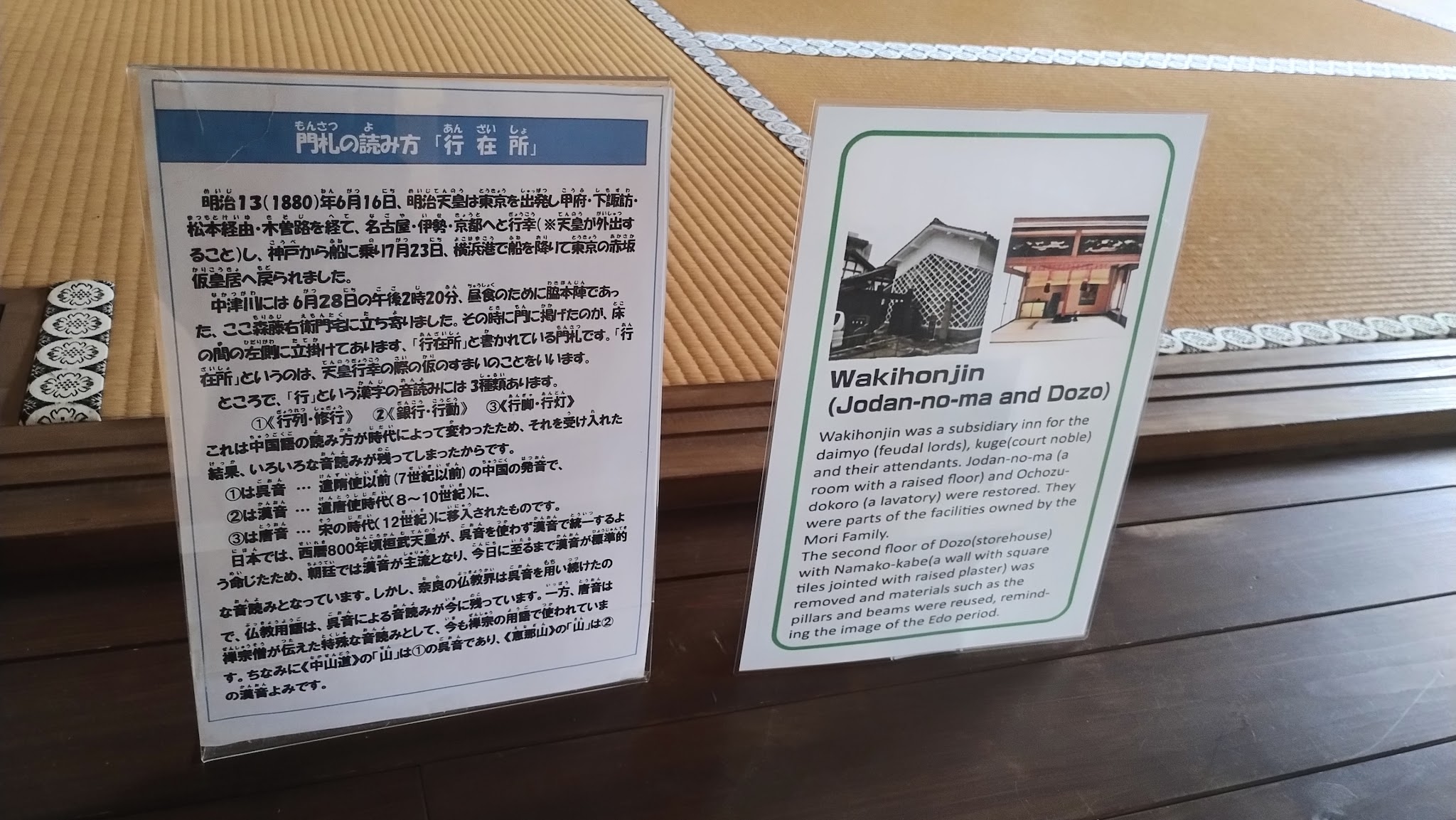
Information is also available in English, so be sure to take a look.
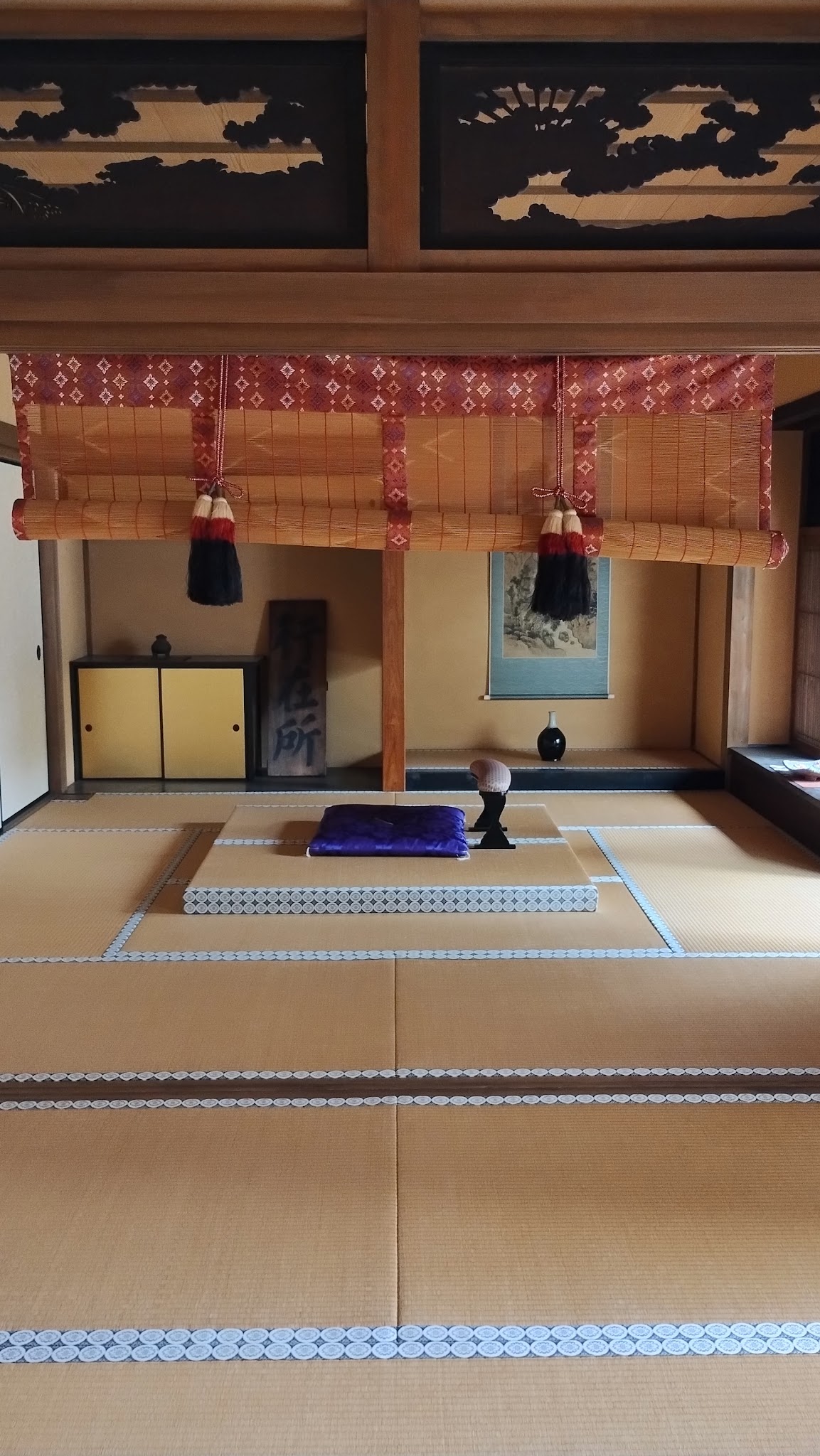
This Is the Lord’s Seat!
The jodan-no-ma was used during the Edo period. It is an eight-tatami room with a tokonoma alcove and shoin-style shelving.
Parts of the space have been restored or recreated using original fittings, pillars and ranma transoms.
Following the instructions at the site, you can sit in the “lord’s seat” and enjoy the view from this special position.
Before you even continue on to Magome or Tsumago, you may already feel as if you have stepped into the Edo period.
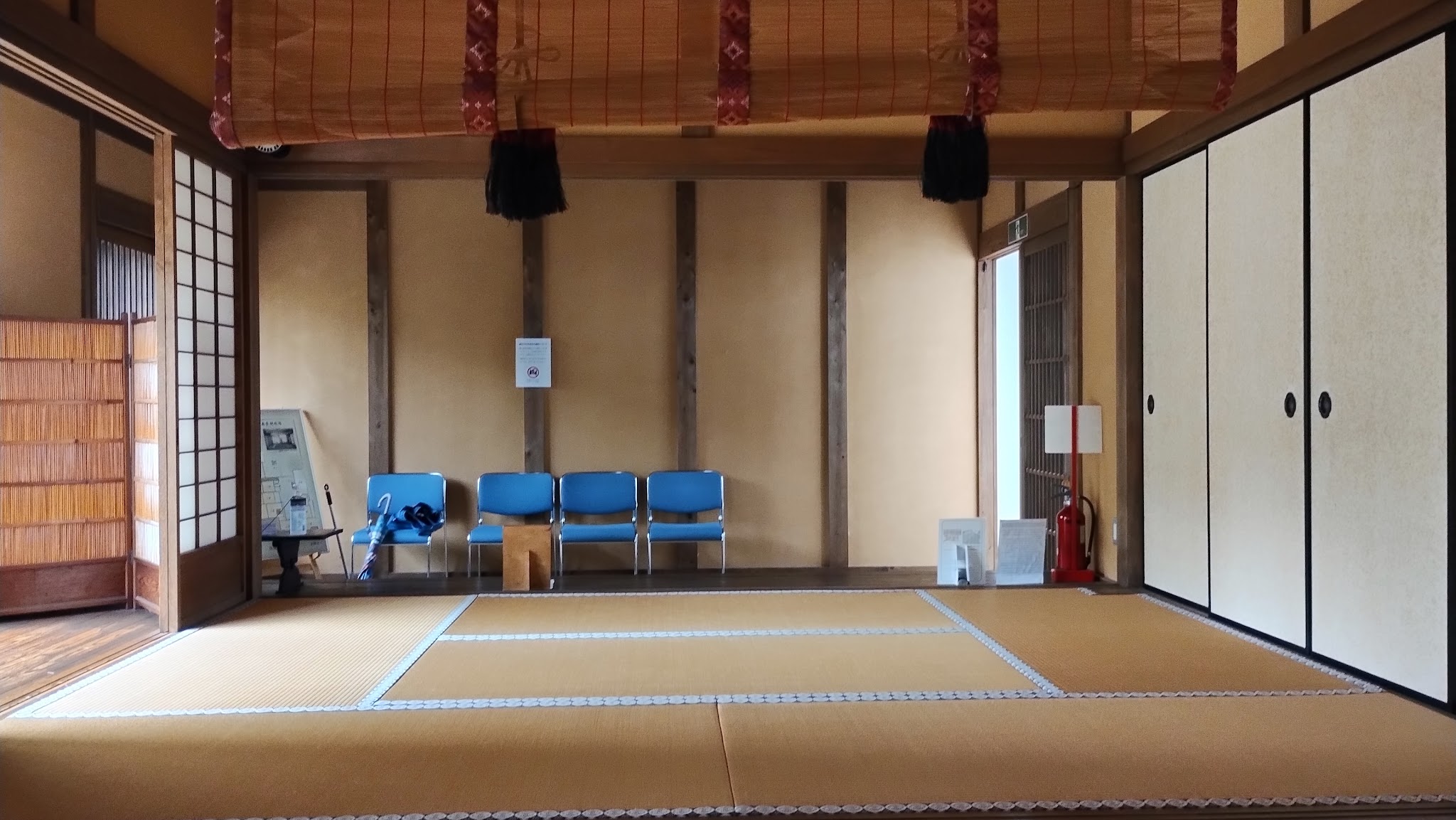
From the lord’s seat, everything seems to sit just a little lower in your field of view.
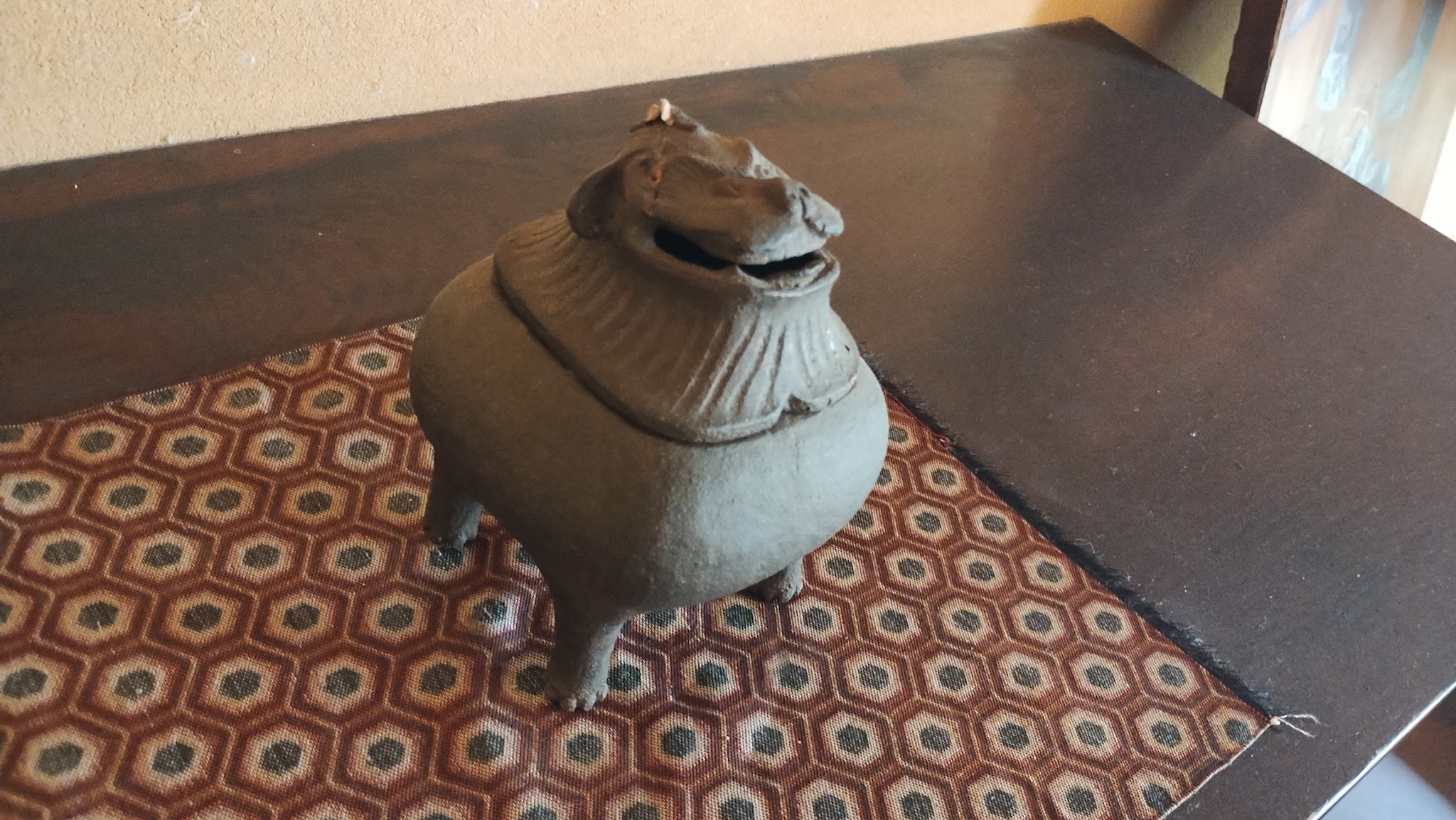
There are charming little details to discover, too.
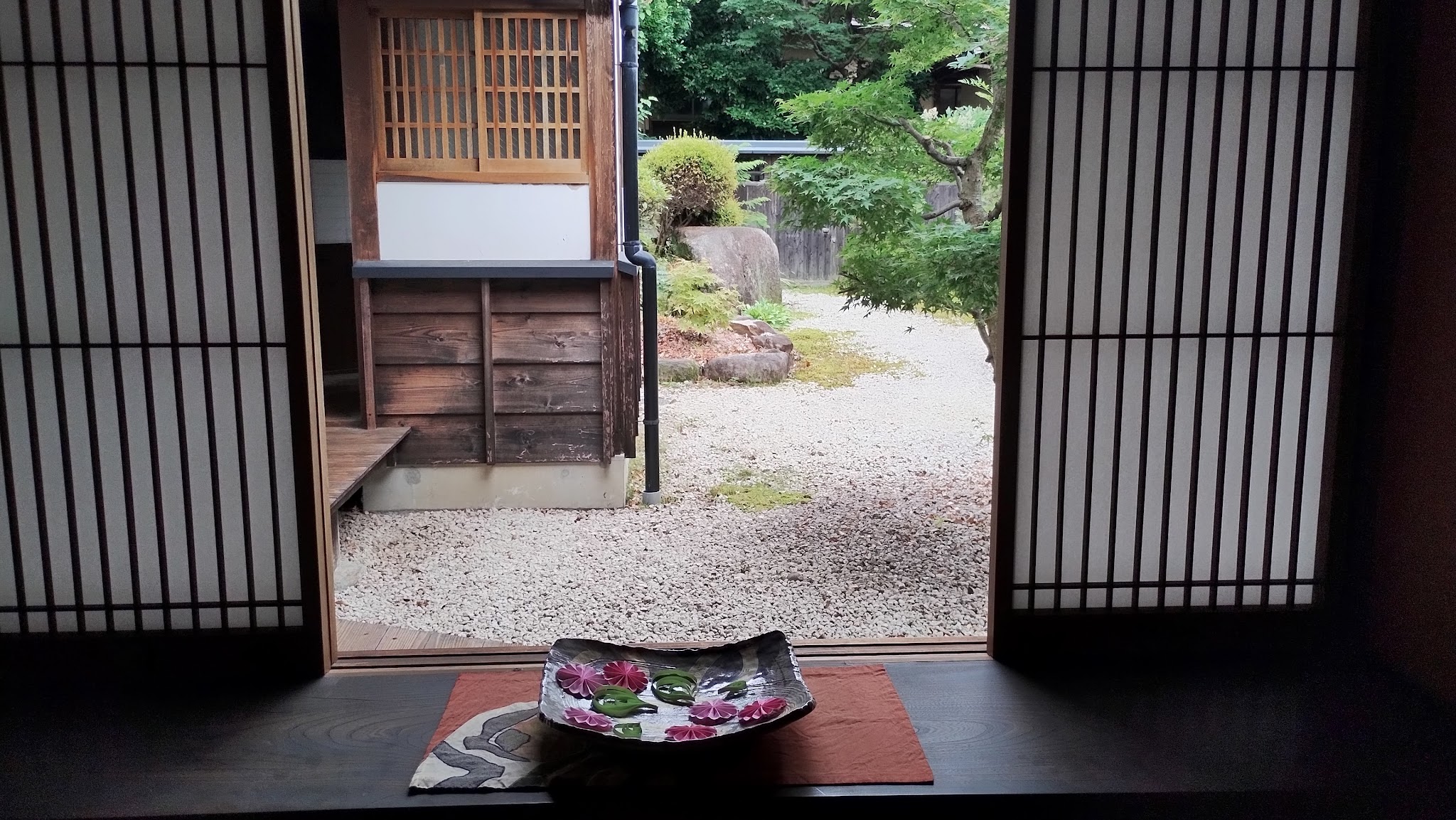
Seasonal flowers add colour to the quiet interior. Away from the rush of modern life, the atmosphere here seems to move at a gentler pace.
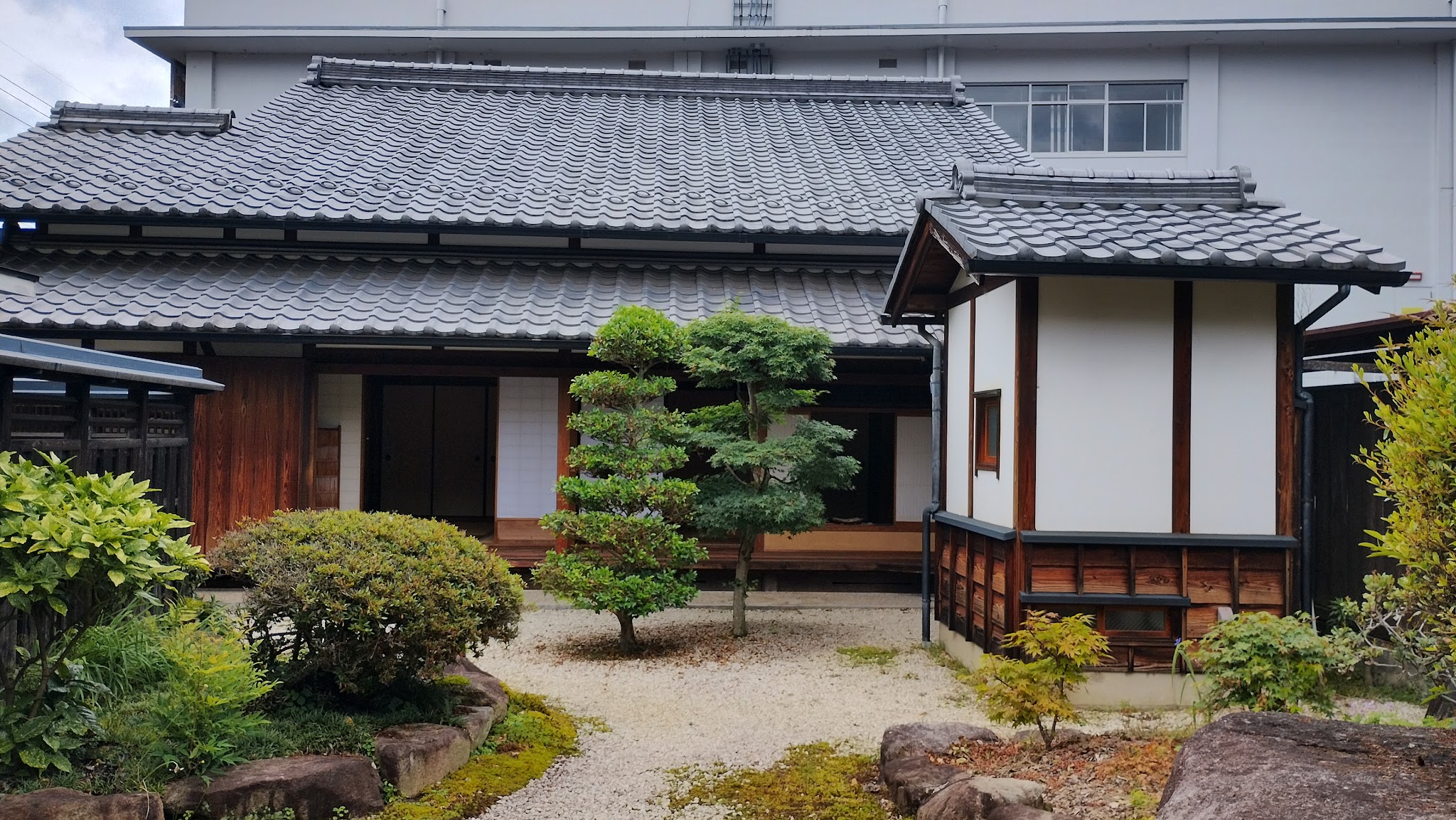
The garden is a lovely place to slow down for a moment.
You can also step out onto the wooden veranda and enjoy the atmosphere of the garden. Farther along the wooden corridor is a reconstructed ochozusho—the toilet used at the time—which is another unexpected detail to look out for.
The two-storey storehouse, with its traditional namako-style walls, displays materials connected with the Mori family, including old documents, paintings and storage chests. Access to some displays may vary, so please follow the information provided on site.
It is a place where you can enjoy a little taste of life as a feudal lord—for free!
If you are staying nearby, it is well worth a visit.
The Nakatsugawa Nakasendo History Museum next door is also worth exploring, with exhibits that offer a deeper look at the Nakasendo and Nakatsugawa-juku.
Former Nakatsugawa-juku Wakihonjin (Former Mori Family Residence)
- Location: Honmachi 2-chome, Nakatsugawa, Gifu, next to the Nakatsugawa Nakasendo History Museum
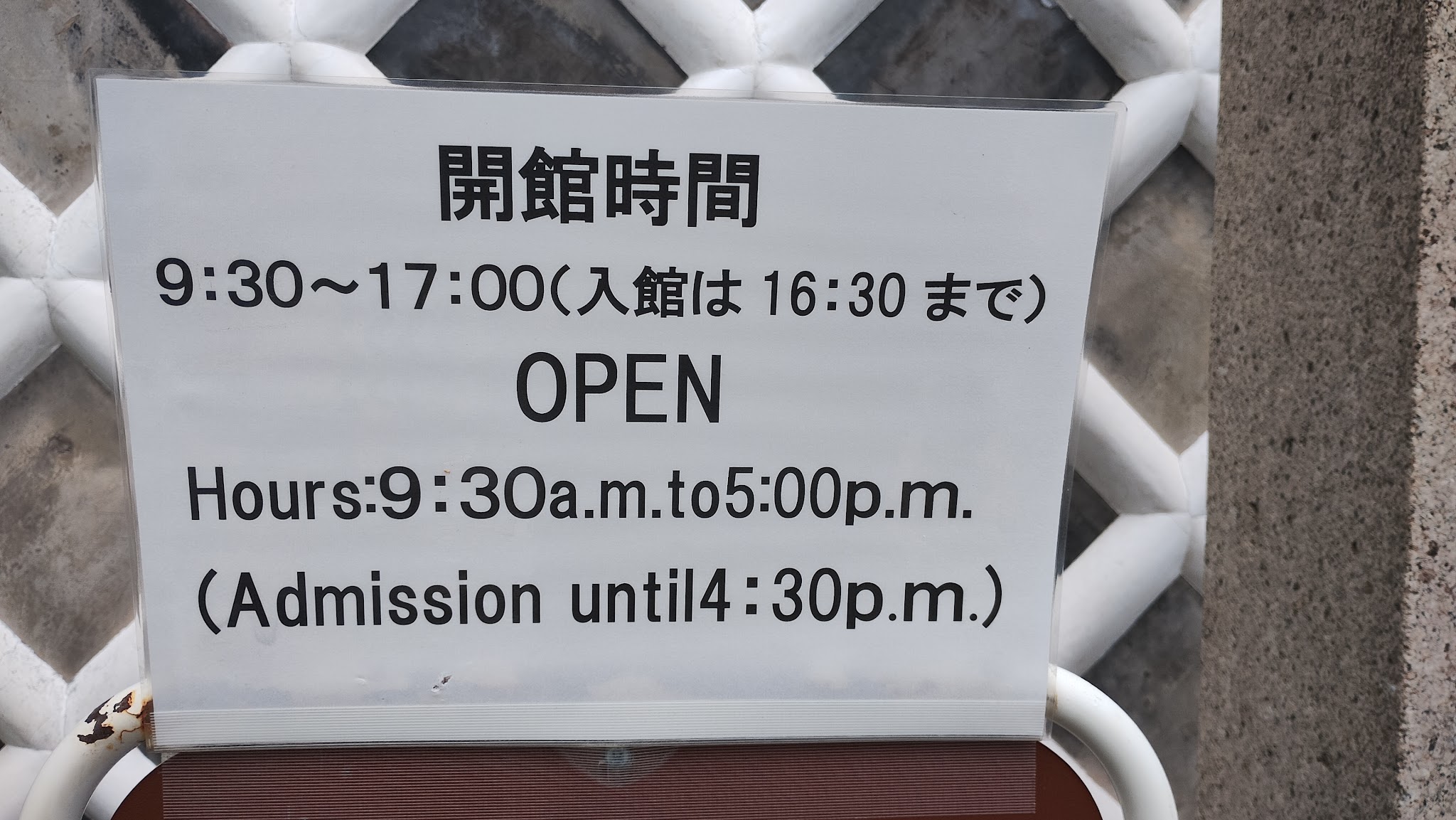
- Opening hours: 9:30 a.m.–5:00 p.m. (last admission at 4:30 p.m.)
- Closed: Mondays (or the following day when Monday is a public holiday), and 27 December–5 January
- Admission: Free
Please note: Opening days and access to displays may change. Check the latest information from the Nakatsugawa Nakasendo History Museum before your visit.
Walking time from The RYOKAN O is approximate and may vary depending on your pace and route.